From start to finish line: What is the best format to choose for your photo album of athletic milestones?
Creating a photo album to capture your athletic milestones is a rewarding way to preserve memories of hard work, dedication, and personal triumph. Whether you are documenting fitness transformations, competitive events, or simply charting your own journey towards improved health, choosing the right format for your album is essential to ensure your images are presented in the most compelling and meaningful way. With a variety of options available, from orientation and cover style to paper quality and binding methods, understanding what works best for your specific collection of images will help you create a treasured keepsake that does justice to your achievements.
Choosing the Right Album Orientation and Style for Your Athletic Memories
The orientation of your photo album plays a significant role in how your images are displayed and appreciated. When selecting between portrait and landscape formats, it is important to consider the nature of your sporting photography. Landscape orientation is often ideal for dynamic action shots, wide-angle views of races, and panoramic scenes that capture the breadth of an event or location. This format allows for the inclusion of fitness transformations and side-by-side comparisons, which are particularly effective in showing progress over time. On the other hand, portrait orientation can work well for individual portraits, close-up shots that highlight muscle definition or posture improvements, and vertical compositions that emphasise the height or stance of an athlete. Choosing the format that matches the majority of your photos will ensure a cohesive and visually appealing presentation.
Portrait versus Landscape: Matching Format to Your Sporting Photography
When you review your collection of images, you may notice that certain types of shots naturally lend themselves to one orientation over the other. For instance, if your album focuses on before and after images taken from the front, side, and back, a landscape format may allow you to place multiple images on a single spread, making it easier to compare body changes and track visual progress. This approach is particularly useful for trainers and clients who want to document fitness milestones and celebrate client success. Conversely, if your photography includes a lot of vertical action shots, such as high jumps, climbing, or standing poses, a portrait format may provide a more natural and flattering presentation. The key is to assess your collection and select the orientation that best complements the majority of your images, ensuring that each page feels balanced and visually engaging.
Cover options that showcase your athletic achievements with impact
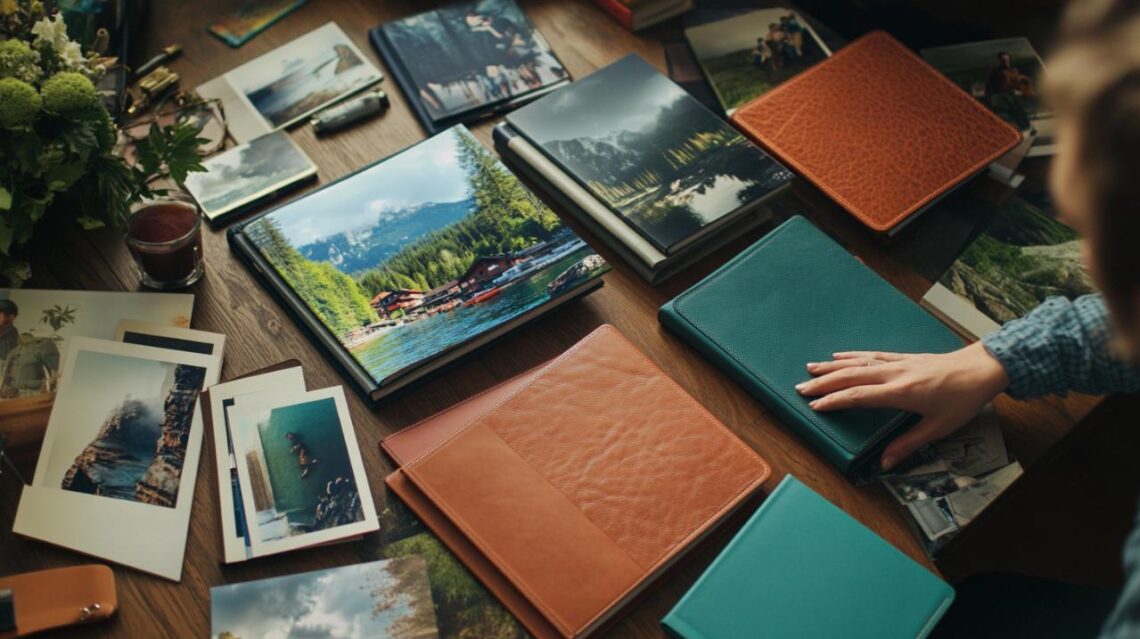
The cover of your photo album is the first thing people will see, so it is worth investing thought into its design and material. A high-quality cover with a relief effect or embossed detail can add a touch of elegance and professionalism, making your album feel like a true celebration of your achievements. For those who want a more personalised touch, many services offer customisation options that allow you to add text, logos, or images to the front cover. This is an excellent way to highlight a specific event, such as a marathon or transformation challenge, or to feature a particularly striking image that encapsulates your athletic journey. Consider covers that are durable and resistant to wear, as your album will likely be handled and admired for years to come. A well-chosen cover not only protects your photos but also sets the tone for the story you are telling within the pages of the book.
Paper Quality and Page Layout Considerations for Sporting Photo Albums
The quality of the paper used in your photo album can have a significant impact on how your images are displayed and preserved. Premium paper options often feature special finishes that enhance colour vibrancy, contrast, and sharpness, ensuring that every detail of your progress photos is clearly visible. This is especially important when documenting subtle changes in muscle definition, posture improvements, or body changes over time. High-quality paper also tends to be more resistant to fading and damage, which means your album will remain in excellent condition for many years. When selecting paper, look for options that have been produced using FSC Certified materials and adhere to quality standards such as ISO 9001:2015, as these certifications indicate a commitment to both environmental responsibility and manufacturing excellence.

Selecting premium paper quality for vibrant athletic photo presentation
The effect of premium paper on your photos cannot be overstated. When you invest in a higher grade of paper, you benefit from richer colours, deeper blacks, and a more professional overall appearance. This is particularly valuable when your album includes images taken with smartphone photography, as even pictures captured with natural daylight and consistent lighting can be elevated by the quality of the printing medium. Many providers offer a range of paper finishes, from matte to glossy, each with its own advantages. Matte finishes tend to reduce glare and are ideal for albums that will be viewed in various lighting conditions, while glossy finishes can make colours pop and add a sense of depth to your images. Consider ordering sample pages if possible, so you can see and feel the difference in paper quality before committing to your final album.
Lay-Flat Binding and Panoramic Spreads for Dynamic Sports Action Shots
One of the most important considerations for a sporting photo album is the binding method, as this will determine how your pages open and how your images are displayed across spreads. Lay-flat binding is particularly advantageous for albums that feature panoramic shots or action sequences that span two pages. This type of binding allows the album to open completely flat, with no visible gutter or break in the middle of the spread, ensuring that your images are presented seamlessly. This is ideal for capturing the full drama and energy of a race, a transformation challenge, or any moment where the composition benefits from an uninterrupted view. Lay-flat binding also makes it easier to include side-by-side comparisons and before and after images, as the viewer can see both pages as a single cohesive unit. This method is a hallmark of professional photo albums and is highly recommended for anyone serious about showcasing their athletic achievements with impact.
Personalisation and Creation Methods for Your Athletic Achievement Album
Creating a photo album that truly reflects your personal journey requires careful consideration of the tools and services available to you. There are numerous ways to bring your vision to life, ranging from fully customisable bespoke design services to convenient online album platforms that offer ready-made templates. Each approach has its own advantages, and your choice will depend on factors such as your budget, your level of design experience, and the amount of time you wish to invest in the creation process. Regardless of the method you choose, the goal is to produce a personalised photo album that tells your unique story and serves as a lasting reminder of your progress and accomplishments.
Online album services versus bespoke design: finding your perfect match
Online album services have become increasingly popular due to their ease of use, affordability, and wide range of design options. Companies such as My Picture UK and CEWE offer user-friendly platforms that allow you to upload your images, arrange them on the page, and customise layouts, backgrounds, and text with just a few clicks. These services are ideal for those who want a professional-looking album without the need for advanced design skills or software. Many providers also offer free delivery on orders over a certain amount, making it even more convenient to get your finished product delivered directly to your door. On the other hand, bespoke design services offer a higher level of customisation and can be tailored to meet very specific requirements. If you have a clear vision for your album and want complete control over every aspect of the design, working with a professional designer or using advanced design software may be the best choice. This approach requires more time and effort but can result in a truly unique and personalised photo album that stands out from mass-produced options.
Customising Your Album: Photo Placement and Product Information to Consider
Once you have selected your creation method, the next step is to focus on the details of customisation. Photo placement is crucial to ensuring that your album tells a coherent and compelling story. Consider grouping images by theme, such as training programmes, specific events, or time periods, to create a logical flow through the pages. Quality over quantity is an important principle to keep in mind; it is better to select a smaller number of high-quality images that truly capture your journey than to fill every page with less impactful photos. Pay attention to the number of photos per page, as overcrowding can make the album feel cluttered and detract from the visual impact of individual images. Many online services provide product information and guidance on optimal layouts, so take the time to review these resources before finalising your design. Additionally, consider adding captions or short descriptions to provide context and enhance the storytelling aspect of your album. This is particularly useful for documenting fitness milestones, transformation challenges, or client success stories, as it allows you to share not only the visual evidence of progress but also the emotions and experiences that accompanied each stage of your journey. By carefully planning your photo placement and taking advantage of customisation options, you can create an album that is both beautiful and meaningful, serving as a source of motivation and pride for years to come.